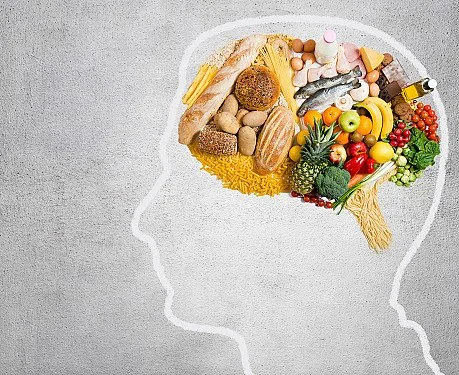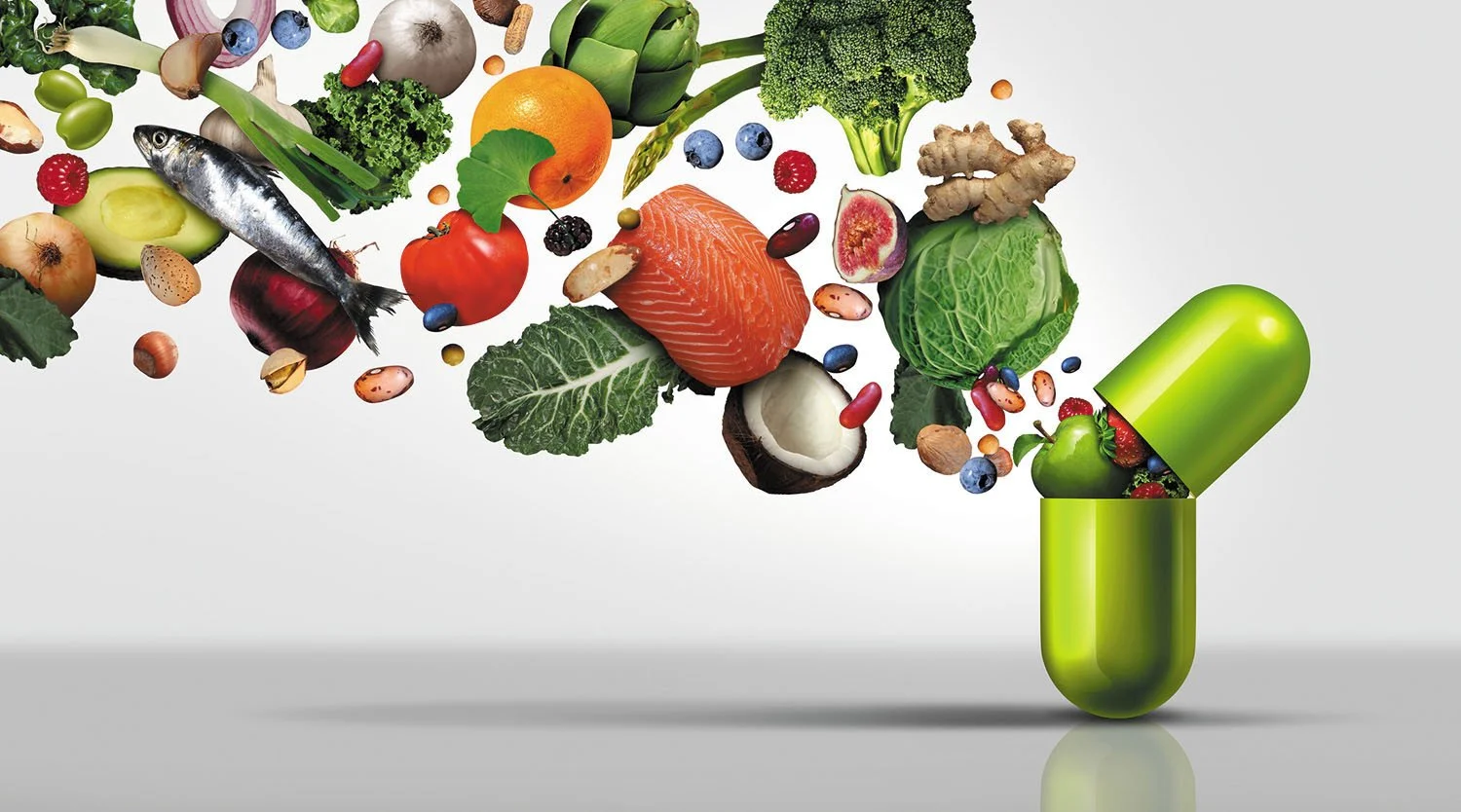
Think about it. Your brain is always “on.” It takes care of your thoughts and movements, your breathing and heartbeat, your senses — it works hard 24/7, even while you’re asleep. This means your brain requires a constant supply of fuel. That “fuel” comes from the foods you eat — and what’s in that fuel makes all the difference. Put simply, what you eat directly affects the structure and function of your brain and, ultimately, your mood. Like an expensive car, your brain functions best when it gets only premium fuel. Eating high-quality foods that contain lots of vitamins, minerals, and antioxidants nourishes the brain and protects it from oxidative stress — the “waste” (free radicals) produced when the body uses oxygen, which can damage cells.
Read MoreWith spring right around the corner, allergies are a growing concern for many. With symptoms ranging from mild discomfort to severe reactions that impact daily life, dust, pollen, pet dander, and food sensitivities can trigger allergic responses, making it challenging for individuals to enjoy life to the fullest. While conventional medicine offers antihistamines and steroid-based treatments, many people seek a gentler, holistic approach. This is where allergy treatment in homeopathy comes into play.
Read MoreIn this article we will explore the important role of vitamin C in adrenal function. We all know that vitamin C is an important part of a healthy immune support system, but its critical role in adrenal function is no less valuable—and far less well known.
Read MoreWith the holiday travel season in full swing, millions of Americans will pass through airport security—and many will step into full-body scanners without a second thought. These scanners, officially called advanced imaging technology (AIT), have been a routine part of TSA screening since 2009. They were introduced after the “underwear bomber” incident that same year, when a passenger hid explosives in his clothing on a flight to Detroit. Yet despite their widespread use, AIT scanners were rolled out with very little transparency. Most travelers don’t realize that there has been no meaningful long-term study proving their safety, and very limited evidence that they prevent terrorism. As a health-focused practitioner, I can’t ignore this imbalance. I’ve opted out of body scanners for years, not because I fear flying—but because the benefits of this technology still aren’t clearly established, while the risks remain uncertain.
Read MoreFeeling anxious in certain situations is completely normal. While homeopathy won’t change your personality, it can help soften the sharp edges of intense worry, stress, and emotional overwhelm. Homeopathic remedies—made from natural substances—are gentle, non-addictive, inexpensive, and safe for all ages, including during pregnancy. For many, they offer a reassuring layer of support during stressful seasons of life. Here are five of my most frequently used and highly effective remedies for anxiety, worry, stress, and especially that familiar “exam fever” many people experience.
Read MoreA growing body of research continues to highlight the importance of vitamin D during pregnancy—not just for bone health, but also for a child’s developing brain. A recent study adds new evidence suggesting that a mother’s vitamin D level during pregnancy may play a meaningful role in her child’s later IQ.
Read MoreIt might be the easiest way to improve your health: Close your eyes, relax and go to sleep. Quality sleep is vital for physical and mental health. That’s why most adults should aim for 7-9 hours of shuteye every night. That downtime allows your body a chance to do many important things, like healing your cells, cleansing toxins, boosting immunity, regulating blood sugar, and strengthening your memory.
Read MorePregnancy is a beautiful journey, but it comes with its fair share of discomforts. From morning sickness to fatigue and anxiety, many moms-to-be seek safe, natural remedies to support their well-being. Homeopathy offers a gentle and effective approach to addressing common pregnancy-related concerns without harmful side effects.
Read MoreThe fourth most abundant mineral in your body, magnesium is essential for hundreds of enzyme reactions that affect everything from bones and blood sugar to nerves and brain cells. Yet most Americans don't think about magnesium and routinely skimp on the foods that are the best sources of it. And eating a balanced diet is the ideal way to get what you need. Magnesium may also help ease migraine and lower blood pressure.
Read MoreFor many people, the idea of weight management immediately brings to mind restrictive diets, endless calorie counting, or punishing exercise regimens. Yet, as most have discovered, these approaches rarely produce lasting change. They often leave people frustrated, fatigued, and no closer to the vitality and balance they’re seeking. A more effective path begins with a simple shift: moving away from “losing weight” as a short-term goal and toward managing health and metabolism as an ongoing practice.
Read MorePostpartum is one of the most critical yet overlooked phases of a mother’s life. Rising rates of depression, maternal health struggles, and feelings of unpreparedness reveal a system in crisis—one in which mothers are too often left without the care and community they need. In this free masterclass, holistic birth guide and educator Eyla Cuenca will examine the roots of our current postpartum challenges and share practical strategies for restoring the “village” of support that once surrounded mothers. Whether you are preparing for birth, navigating postpartum yourself, or simply wish to better support the mothers in your life, this event offers valuable tools and insight into how we can begin to transform maternal care for the better.
Read MoreDid you know that approximately 32% of adults worldwide suffer from non-alcoholic fatty liver disease (NAFLD), often without being aware of it? Common symptoms like fatigue, difficulty concentrating, or digestive issues such as bloating or a feeling of pressure in the upper abdomen could be signs of NAFLD. Left untreated, this condition can progress to more severe liver diseases, including inflammation, fibrosis, or cirrhosis. However, as the saying goes, "The liver grows with its tasks." This phrase highlights not only the liver's remarkable adaptability but also its incredible capacity to regenerate—emphasizing how crucial timely support is for maintaining liver health.
Read MoreA healthy heart depends on clear, well-functioning arteries. These vital blood vessels carry oxygen-rich blood from the heart to every part of the body. When arteries become narrowed or clogged, blood flow is restricted, raising the risk of serious conditions such as heart attack, stroke, and peripheral artery disease.
Read MoreHormones are the body’s chemical messengers, influencing everything from mood and metabolism to bone strength and skin health. Among them, estrogen plays a central role—especially for women. While it’s often called the “female hormone,” both women and men produce it.
Read MoreAcid reflux is a common digestive complaint that occurs when the muscle at the base of the oesophagus (esophagus) relaxes at the wrong time, allowing stomach acid to flow upward. This can cause heartburn—a burning sensation that travels from the stomach into the chest or throat—and sometimes a sour or bitter taste in the mouth. Other symptoms may include bloating, discomfort after meals, or difficulty swallowing. For some, these episodes happen occasionally; for others, they are persistent and disruptive.
Read MoreOur gut and hormones are in constant conversation. While we often separate digestion from hormonal health and mood, science—and everyday experience—shows they’re deeply intertwined. The gut isn’t just where we digest food; it’s a central hub for making neurotransmitters, regulating inflammation, and even processing hormones like estrogen and cortisol. When the gut is out of balance, hormonal imbalances and mood issues often follow.
Read MoreWe often hear about “strengthening your core,” but what does that really mean—beyond getting six-pack abs? In holistic health, core stability is far more profound than toned abdominal muscles. It refers to the dynamic interaction of deep postural muscles, the spine, the pelvis, the diaphragm, and even the pelvic floor. This integrated system anchors nearly every movement we make. It also impacts how efficiently we breathe, digest, and stay upright throughout the day.
Read MoreIn today’s health-conscious world, it’s easy to fall into the trap of wellness perfectionism. This mindset pushes us to chase “optimal health” with rigid routines and relentless self-discipline. While striving for wellness is admirable, an all-or-nothing approach often backfires—leading to burnout, stress, and feelings of failure. In this article, we’ll explore how to recognize signs of overcommitting to wellness, reframe your approach, and embrace a flexible, sustainable path to true balance.
Read MoreHormones are the body's chemical messengers that control everything from mood swings to metabolism. Estrogen is one of the most popular hormones for women, produced by the ovaries, the adrenal glands, and the fat cells in the body. It helps develop female sexual and reproductive organs and plays a vital role in body functioning in both men and women.
Low estrogen can cause symptoms like fatigue, mood changes, bone weakness, hot flashes, night sweats, vaginal dryness, mood swings, low libido, and osteoporosis. Perimenopause is a transition leading to Menopause, causing the body to undergo a myriad of changes due to hormone fluctuation. But how to increase estrogen naturally? Well, some foods have phytoestrogens. A plant compounds that act like estrogen in the body.
Read MoreAre you trying to get pregnant? You might wonder whether there's anything you can do to make it easier to conceive. Some things might be beyond your control or need medical help. These include medical issues that affect being able to conceive. But your lifestyle choices can affect fertility too. Here's what you need to know.
Read More