When we think about hormones, we often think first of the ovaries, thyroid, adrenal glands, pancreas, or brain. These organs are certainly central to hormone production and regulation, but there is another major player that is easy to overlook: the gut.
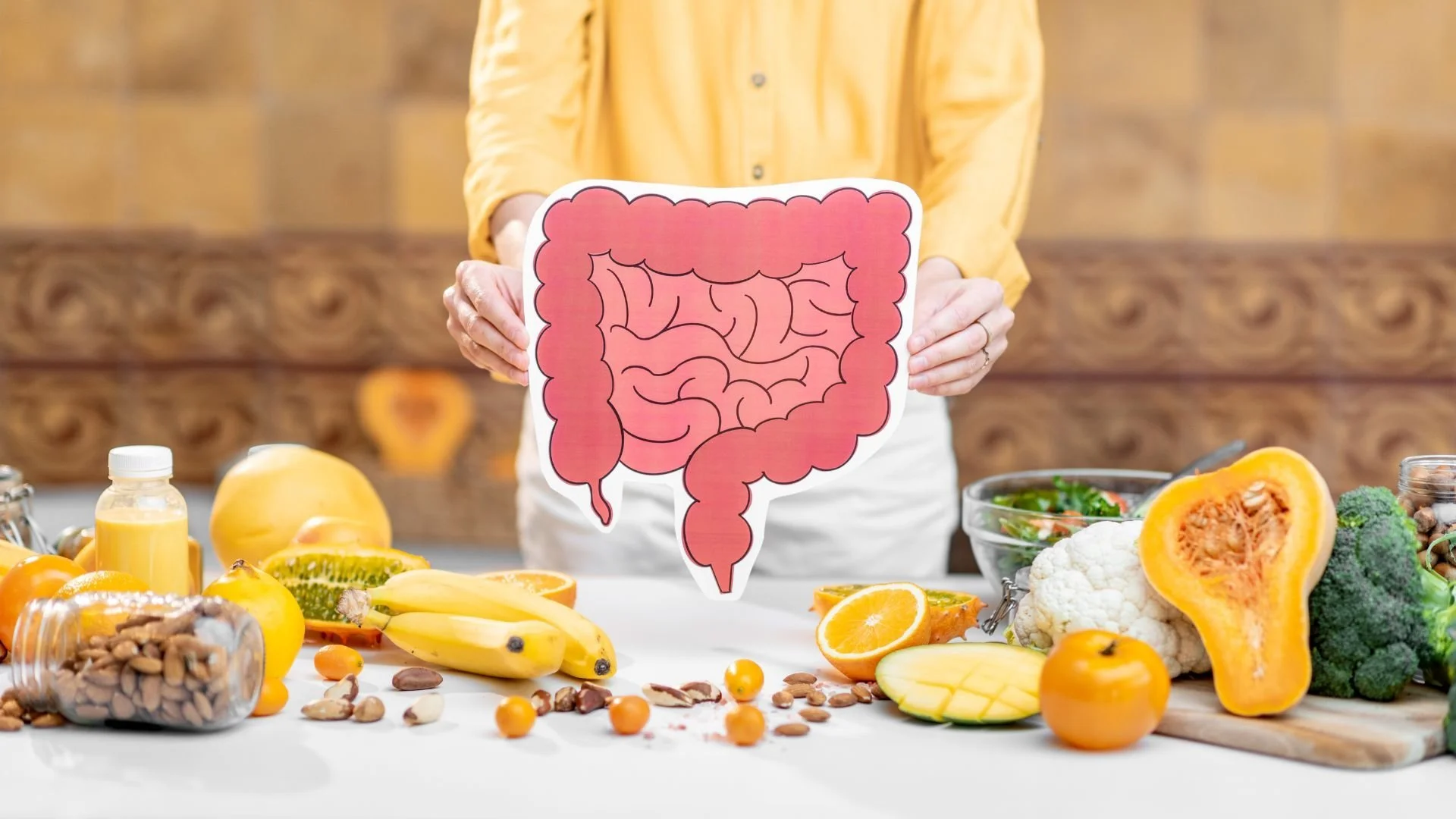
Your digestive system is home to trillions of microorganisms, collectively known as the gut microbiome. These bacteria, yeasts, and other microbes help digest food, produce nutrients, train the immune system, protect the gut lining, and communicate with the nervous system. Increasingly, researchers are also recognizing the microbiome as an important influence on the endocrine system—the body’s network of hormone-producing glands and hormone-signaling pathways.
In practical terms, this means that symptoms we often think of as “hormonal” may be connected, at least in part, to digestive health. Irregular periods, PMS, acne, fatigue, weight changes, mood swings, sugar cravings, hot flashes, sluggish metabolism, and stress sensitivity can all have many causes. But when these symptoms occur alongside bloating, constipation, diarrhea, reflux, food sensitivities, or a history of antibiotic use, the gut-hormone connection deserves attention.
Read More