
What Your Feet Can Tell You About Healthy Aging
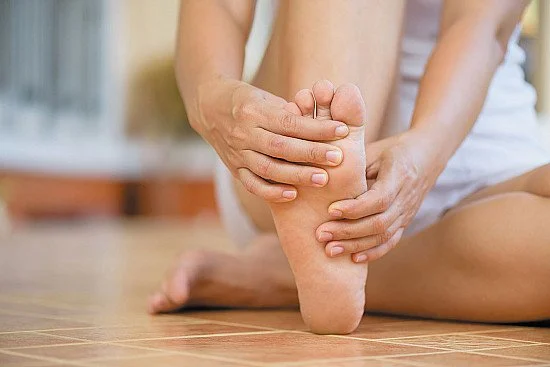
When people think about healthy aging, they often focus on the heart, brain, bones, and muscles. Those are all important, but there is another part of the body that deserves more attention: the feet. Your feet are the foundation of nearly every movement you make. They help you stand, walk, climb stairs, adjust to uneven surfaces, and recover when you lose your balance. When the feet become painful, weak, stiff, or less sensitive, the effects can travel upward, influencing the ankles, knees, hips, back, and even your confidence about moving through the world. Paying attention to your feet is therefore not merely a matter of comfort. It can be an important part of maintaining mobility, independence, and quality of life as you age.
Your Feet Are Constantly Gathering Information
The feet do much more than support body weight. They contain muscles, joints, connective tissues, nerves, and sensory receptors that continually communicate with the brain.
When you walk across a sloping driveway, step onto grass, or move from carpet to tile, your feet detect changes in pressure and surface texture. Your nervous system uses that information to adjust posture and maintain balance.
With age, several changes can interfere with this process. The muscles of the feet and ankles may weaken. Joints can become less flexible. Circulation may change. Arthritis, old injuries, footwear, and certain health conditions can affect comfort and sensation.
These changes may appear gradually. You may first notice that you avoid walking barefoot, feel less steady on uneven ground, or depend more heavily on railings. Some people begin taking shorter steps or looking down constantly while walking. Others stop participating in activities they once enjoyed because they are afraid of falling.
These adaptations may seem sensible in the moment, but reduced activity can lead to further loss of strength and confidence.
What Foot Changes Should You Notice?
Occasional soreness after an unusually active day is not necessarily cause for concern. Persistent or recurring changes deserve more attention.
Notice whether you are experiencing:
• New or increasing foot or ankle pain
• Numbness, tingling, burning, or altered sensation
• Swelling that does not readily resolve
• Changes in the shape of the toes or arch
• Repeated calluses, blisters, or pressure areas
• Difficulty pushing off the ground while walking
• Increasing dependence on walls, furniture, or railings
• Trouble standing on one foot
• Shoes wearing unevenly
• Greater hesitation on stairs or uneven surfaces
These signs do not always point to a problem originating in the feet. They can also be related to circulation, nerve function, muscle weakness, medication effects, vision, the vestibular system, or other health concerns. The important point is not to diagnose yourself from one symptom. It is to recognize change rather than automatically accepting it as an unavoidable part of aging.
Foot Strength and Balance Are Connected
Good balance is a whole-body activity. It depends on communication among the eyes, inner ear, brain, nerves, muscles, and joints. The feet and ankles play a particularly important role because they are where the body meets the ground. Small muscles in the feet help stabilize the arch and toes. The ankle muscles make constant corrections as the body shifts.
Research on fall prevention consistently supports exercises that improve balance, gait, and muscular strength. Studies focused specifically on foot and ankle exercise also suggest that these exercises can improve strength, flexibility, mobility, and aspects of balance in older adults. That does not mean foot exercises alone can prevent every fall. Falls usually have more than one contributing factor. Medication, vision, blood pressure, neurological conditions, household hazards, and overall strength may all be involved.
Still, the feet are a practical and often overlooked place to begin.
Simple Ways to Support Your Feet
You do not need an elaborate routine to begin paying better attention to foot health.
One starting point is simply to move the feet through their available range of motion. While seated, slowly point and flex the feet, circle the ankles, and gently spread and curl the toes. These movements can help preserve awareness and mobility.
Heel raises may help strengthen the calves and ankles. Standing near a sturdy counter, lift the heels slowly, pause, and lower with control. Those who are unsteady should use support and seek professional guidance before attempting unsupported balance exercises.
Another useful exercise is to practice shifting weight gently from side to side and from the heels toward the forefoot. This helps build awareness of how the feet interact with the ground. Walking is also valuable, provided it is comfortable and appropriate for your health. Different safe surfaces can challenge the feet and balance system in different ways. However, anyone with neuropathy, significant pain, open wounds, diabetes-related foot concerns, or a history of falls should obtain individualized advice before walking barefoot or substantially changing activity.
Shoes Matter—but More Cushioning Is Not Always Better
Shoes can protect the feet, absorb impact, and provide stability. But shoes that are too narrow, loose, stiff, worn out, or poorly matched to the activity can create problems. A good shoe should generally provide enough room for the toes, remain secure at the heel, and allow you to walk without slipping inside it. The sole should suit the surface and activity.
More cushioning does not automatically mean more support. A very thick or unstable sole may make it harder for some people to sense the ground beneath them. Conversely, a thin or minimalist shoe may be inappropriate for someone with pain, deformity, poor circulation, or reduced sensation. There is no single best shoe for everyone. Comfort, foot shape, medical history, walking pattern, and activity all matter.
When to Seek Help
Foot pain should not automatically be dismissed as a normal consequence of getting older. Neither should repeated stumbling, loss of sensation, or a growing fear of walking. A health professional may evaluate foot structure, circulation, nerve function, muscle strength, gait, balance, and footwear. Depending on the concern, a podiatrist, physical therapist, primary-care clinician, or other qualified practitioner may be appropriate. Prompt attention is especially important for unexplained swelling, sudden pain, wounds that are slow to heal, marked color or temperature changes, or new numbness.
Your feet may be farthest from your head, but they are closely connected to how freely and confidently you live. Caring for them can help preserve more than comfort. It can support the ability to keep moving, participating, and remaining independent.